How Privacy Fencing Helps Your Property
A lawn that stays soggy after rain can make the path to a shed or patio difficult to use. Yard drainage in Jonesboro, AR addresses standing water by collecting it or redirecting the runoff feeding that spot.
Jonesboro Drainage Co. plans the work around your roof outlets, paved areas, and the room available for a drain route. Our drainage company considers how you use the yard, so the correction fits around walkways and established beds. A wet corner does not necessarily mean digging up the whole lawn; the work may be limited to the water source and a route out.
A drain still needs some attention once it is in the ground. Leaves and grass clippings can block an inlet, so keeping the opening clear is part of maintaining it. If water starts pooling again despite a clear grate, the pipe or outlet may need checking rather than simply adding another inlet.

Why Property Owners Choose Us
Where Is the Water Coming From?
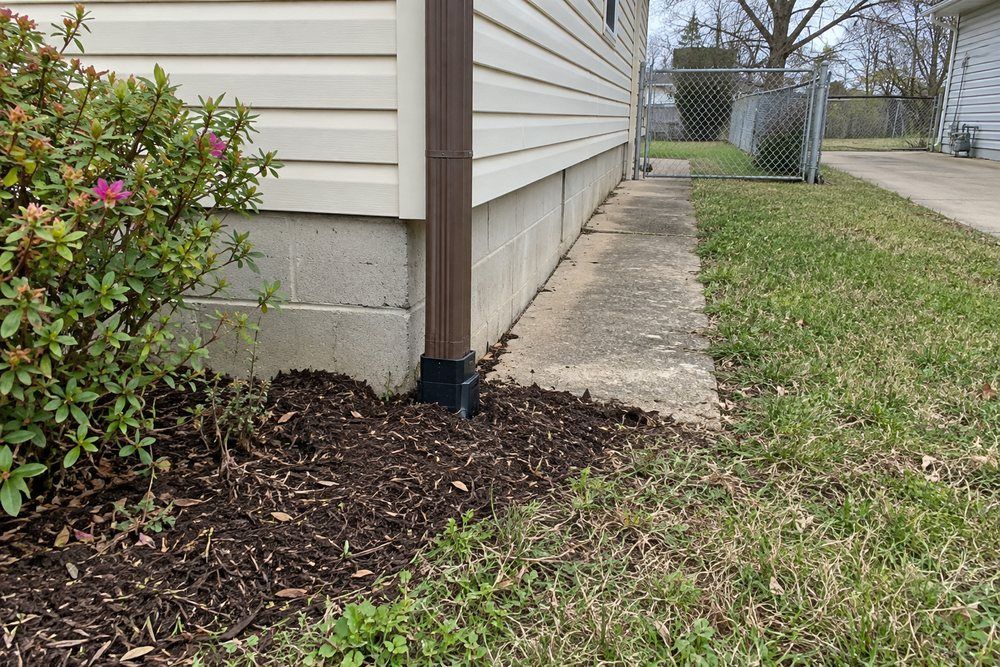
- We look beyond the puddle to find what feeds it. Picture a rear downspout emptying toward the fence, where the grass stays soft for days. We'd explain whether redirecting that roof water could resolve the wet corner before proposing an inlet there.
A Small Fix May Be Enough
- A raised edge that traps water may only need a small change in grade. We compare that option with a catch basin and pipe, which may be more useful where several flows meet. The recommendation should explain what the extra digging would accomplish for your yard.
A Suitable Outlet Before Any Digging
- We check the proposed discharge point before pricing a trench. A nearby ditch or low corner is not automatically suitable if it backs up during rain or sends water onto a neighboring lot. If the yard has no workable downhill route, we explain that limitation before recommending a system that relies on gravity.
Clear Scope for Digging and Lawn Repair
- Your quote needs to account for the ground disturbed along the route. We explain how access and lawn repair affect the proposed work, including any paving that would need opening. A short pipe run through a walkway can involve more restoration than a longer run through grass.
How We Handle the Job
01
Rain Photos Help Us Trace the Problem
A dry-day visit may hide the problem. Local rainfall normals exceed five inches in both April and May, so we'd ask how the yard behaves through repeated spring rains as well as a single downpour. Photos taken from shelter can show where runoff enters and how long it remains. Those observations help us assess the problem alongside measurements of the yard.
02
Inlets Belong Where the Yard Collects Water
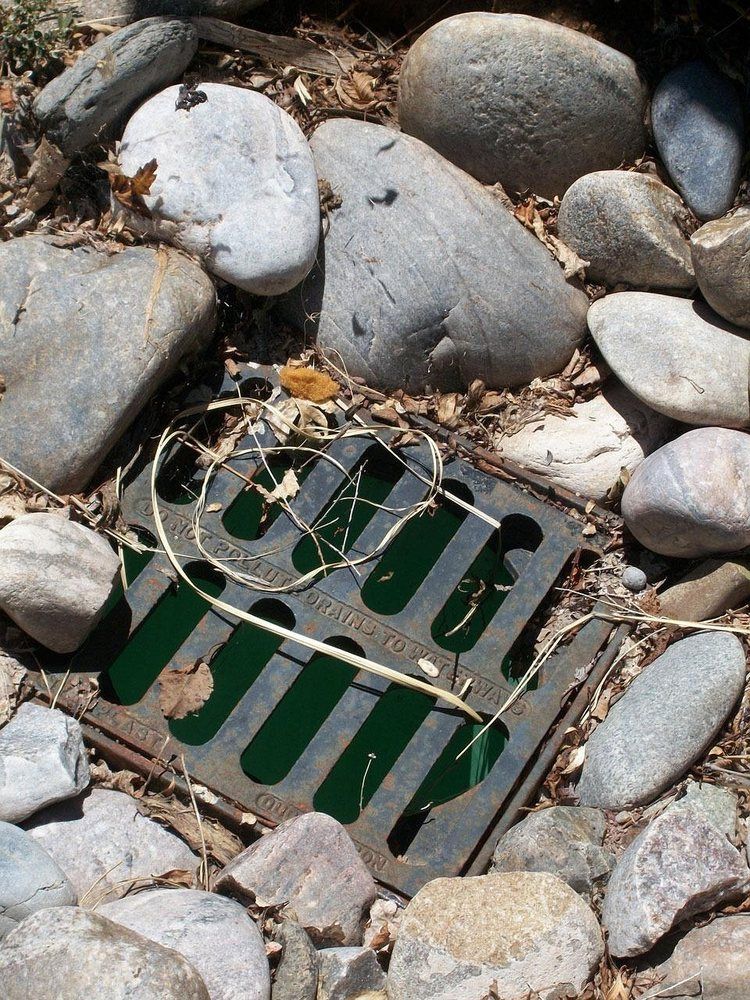
An inlet above the low point can leave the puddle behind, so we check how surface water will reach it. The grate also needs to suit foot traffic or mowing. Where runoff carries sediment, a catch basin can hold some debris below the pipe opening for removal before it enters the line. That space needs to remain accessible for cleaning.
03
Planning Drain Routes Around Trees and Walkways
Utilities and established tree roots can limit where a trench belongs. We check the fall along possible routes and how each would cross paths or other hard surfaces. Pipe strength and burial depth need particular attention beneath a driveway, where vehicle loads affect the installation.
04
When the Water Comes Through the Soil
If water is moving through soil rather than across the surface,
french drain installation may deserve a closer look. A surface inlet cannot intercept every underground seep. The recommendation should follow the water source.
Serving Jonesboro and Nearby Areas
Wet yards are not limited to the city; nearby Brookland and Bono properties can have the same kind of trouble. The
National Weather Service rainfall normals put local rain in context, but the puddle, slope, and outlet on your lot tell the more useful story. A quote should make that route clear.